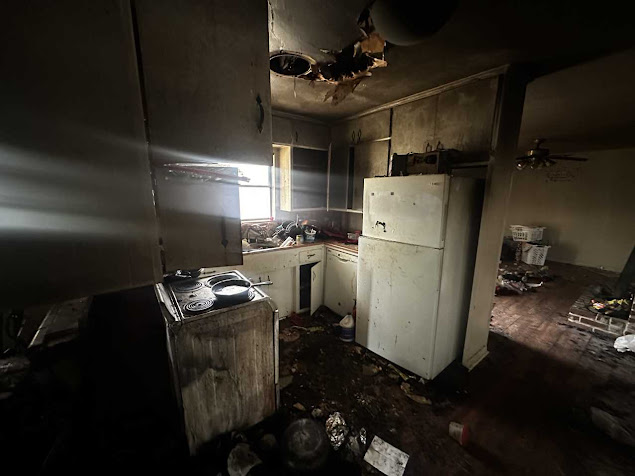
Smoke and fire exposure can affect a home in ways that are not immediately obvious. Even when flames are contained to a single room, smoke, soot, and heat can spread throughout the structure, settling on surfaces, circulating through air systems, and penetrating hidden spaces. That is why the visible damage left behind after a fire often represents only part of what needs to be restored.
Fully restoring a home after smoke and fire exposure requires a step-by-step approach that prioritizes safety, removes contamination, and repairs what was damaged. Skipping steps or only cleaning what you can see is how lingering odors and ongoing material damage show up weeks later. Knowing the process for restoring homes after smoke and fire exposure is the best way to ensure the team you hire to take care of it completes the job correctly.
Initial Safety and Damage Assessment
Before work begins, the first question is simple: Is the home safe to enter? Fires can weaken framing, damage electrical systems, and leave behind unstable materials or sharp debris. Even “small” fires can create hazards, especially near kitchens, attics, garages, and utility areas.
A proper assessment looks at structural stability, electrical risks, and areas affected by heat. Technicians check walls, ceilings, and floors for warping, cracking, or softness that can signal deeper damage. They also evaluate whether power should remain off until electrical components are inspected and repaired.
Smoke and soot spread patterns matter too. Smoke can move through door gaps, stairwells, wall cavities, and HVAC ductwork, reaching rooms that look untouched. The assessment maps where the residue is likely to have settled, so cleaning and deodorization are aimed at the entire affected area, not just the origin room.
Removal of Fire-Damaged Materials
Once it is safe to proceed, fire damage restoration typically begins by removing materials that are burned, structurally compromised, or too contaminated to salvage. This may include sections of drywall, insulation, carpet, padding, baseboards, or cabinetry. Removing these materials helps eliminate ongoing sources of soot and odor, and it opens up hidden spaces for inspection and cleaning.
Debris removal is also part of controlling cross-contamination. If charred materials and ash are disturbed without containment practices, residue can spread to cleaner areas of the home. A careful removal plan keeps soot from being tracked through hallways and prevents dust from settling onto cleaned surfaces later.
This step is also when restoration teams document what was removed and what needs to be rebuilt. That documentation supports an organized reconstruction phase and helps ensure repairs align with what was actually damaged, not what was easiest to see at first glance.
Smoke and Soot Cleanup
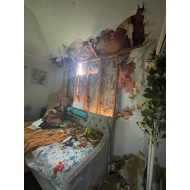
The components that make up smoke residue aren’t made up of a single thing, which is why cleanup is more involved than “wiping everything down.” The type of soot can vary based on what burned (plastics, wood, oils, fabrics), and different residues behave differently on surfaces. Some soot smears and stains easily, while other soot is powdery and spreads with airflow and movement.
Restoration cleaning targets walls, ceilings, trim, hard floors, fixtures, and other non-porous surfaces first. Specialized cleaning methods are used to lift residue without driving it deeper into paint, grout, or textured materials. The goal is to remove contamination while preserving surfaces that can be restored rather than replaced.
Porous and semi-porous materials require extra attention. Unfinished wood, fabrics, and some composites can absorb smoke particles, making them harder to clean and more likely to hold odor. In some cases, certain items or materials are not salvageable, and that determination is based on contamination levels and the ability to clean them safely and effectively.
Odor Removal and Indoor Air Quality
Smoke odor is often what homeowners notice most after the fire is out. Odor can linger even after teams have fully removed visible soot because smoke particles can embed in drywall, framing, insulation, and soft contents. Odors can also reappear when the home warms up, when humidity rises, or when the HVAC system runs.
Professional odor removal focuses on neutralizing odor sources rather than masking them. Teams use deodorization methods to treat affected spaces and materials, breaking down or removing odor-causing molecules. If underlying residue remains in hidden areas, odor control rarely holds, which is why deodorization is usually paired with deeper cleaning and material removal.
These teams will also typically address indoor air quality issues at the same time. Smoke exposure can leave behind airborne particles that irritate lungs and eyes, especially for children, older adults, and people with asthma or allergies. Air filtration and ventilation strategies help reduce particulates during restoration and support a healthier environment as the home is brought back to normal.
Structural Cleaning and Hidden Damage
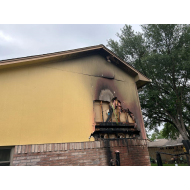
Some of the most important restoration work happens where you cannot easily see it. Smoke can travel into wall cavities, behind cabinets, above ceilings, and into attic spaces. Heat can also affect framing connections and cause long-term issues if residue is left on structural components.
Structural cleaning targets framing, subfloors, and other exposed building materials after damaged finishes are removed. This cleaning helps prevent ongoing corrosion and discoloration, and it reduces the chance that odor will seep back into the home later. It is also a chance to identify hidden soot accumulation in places that would otherwise stay sealed up.
Insulation is a common problem area after smoke exposure. Because it is designed to trap air, it can also trap odor and particles. If insulation is contaminated, removal and replacement are often the most reliable ways to prevent lingering smells and indoor air quality issues.
HVAC components can also carry smoke residue throughout the home. If ductwork, returns, or air handling equipment are affected, they may need cleaning and, in some cases, repair or replacement. Addressing these pathways is key to preventing “clean room, smoky smell” problems after restoration.
Repairs and Rebuilding After Fire Exposure
After mitigation, cleaning, and deodorization, the final step for restoring homes after smoke and fire exposure is repairs and rebuilding. This phase brings the home back to a livable condition and typically includes replacing drywall, insulation, flooring, trim, cabinets, doors, and finishes such as paint and texture. If structural elements were damaged by heat, rebuilding may also involve framing repairs to restore safety and code compliance.
Rebuilding is more than cosmetics. Proper reconstruction ensures the home functions the way it should, from doors that close correctly to surfaces that are sealed and protected. It also helps “reset” the indoor environment by enclosing clean structural spaces with new, uncontaminated materials.
A well-managed rebuild ties back to the earlier assessment and removal decisions. Materials replaced match the actual damaged areas, and repairs are completed in the right order so new surfaces don’t become contaminated by leftover soot or dust. When reconstruction is finished after a thorough cleaning, the renovated home will be far less likely to have recurring odor or staining issues.