When homeowners discover mold or suspect a hidden moisture problem, they often encounter three different services: mold inspection, mold testing, and mold remediation. Understanding the difference between these services is essential because each serves a unique purpose. In fact, choosing the right service can save time and money and prevent more serious damage.
At Beacon Restoration, we frequently answer questions about mold inspection vs mold testing vs mold remediation. Many homeowners are unsure which service they need and when to schedule it. This guide explains each process, how they differ, and how to determine the best solution for your situation.
Key Takeaways
- Mold inspection identifies visible mold and moisture issues.
- Mold testing measures mold spores and contamination levels.
- Mold remediation removes mold and addresses the source of growth.
- Not every mold problem requires testing before remediation.
- Professional mold services help protect indoor air quality and property value.
- Early detection can prevent costly structural repairs.
What Is a Mold Inspection?
Many homeowners notice a musty smell or visible discoloration and wonder whether mold is present. This is often the first sign that a professional mold inspection may be necessary. While mold can sometimes be visible, hidden mold behind walls or under flooring requires expert evaluation.
A mold inspection is a visual and physical assessment of your property. The goal is to identify signs of mold growth, moisture intrusion, water damage, and conditions that allow mold to thrive.
During a professional mold inspection, specialists may use:
- Moisture meters
- Thermal imaging cameras
- Humidity monitoring tools
- Visual inspection techniques
- Indoor air quality assessments
A mold inspection focuses on finding the source of the problem rather than measuring mold levels. For example, if a recent leak occurred, an inspector may identify hidden moisture inside walls before mold becomes widespread.
Many homeowners schedule inspections after experiencing water damage. If that applies to your property, our Water Damage Restoration Services can help address moisture issues before they develop into major mold problems.
What Is Mold Testing?
Once mold is suspected, some homeowners want confirmation regarding the type and amount of mold present. This is where mold testing becomes valuable. While inspection identifies potential issues, testing provides measurable data.
Mold testing involves collecting samples from the air or surfaces within the property. These samples are then analyzed in a laboratory to determine mold concentrations and identify mold species.
Common testing methods include:
Air Sampling
Air samples measure airborne mold spores and help evaluate indoor air quality.
Surface Sampling
Surface samples are collected from visible mold growth to identify contamination types.
Bulk Sampling
Physical material containing mold is analyzed to determine contamination levels.
Mold testing is especially useful when:
- Mold is suspected but not visible
- Occupants experience unexplained allergy symptoms
- Real estate transactions require documentation
- Insurance claims require laboratory evidence
- Indoor air quality concerns exist
Testing can reveal elevated mold spore counts that are not detectable through visual inspection alone. As a result, homeowners gain a clearer understanding of their indoor environment.
What Is Mold Remediation?
Finding mold is only the first step. Once contamination is confirmed, remediation becomes necessary to restore a healthy environment. Unlike inspections and testing, remediation focuses on solving the problem.
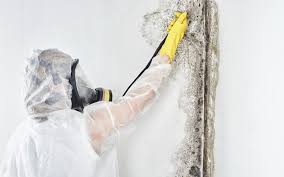
Mold remediation is the process of removing mold contamination, cleaning affected areas, and correcting moisture conditions that caused mold growth.
Professional mold remediation services often include:
- Containment procedures
- HEPA air filtration
- Removal of contaminated materials
- Antimicrobial treatments
- Structural drying
- Moisture control measures
The goal is not simply to remove visible mold. Instead, remediation addresses the root cause to prevent future growth.
At Beacon Restoration Services, our professional mold remediation services are designed to restore safe indoor conditions while protecting your property from recurring mold issues.
Mold Inspection vs Mold Testing: What's the Difference?
Many homeowners use these terms interchangeably. However, mold inspection and mold testing serve different purposes. Understanding the distinction can help you choose the right service.
A mold inspection focuses on identifying conditions that support mold growth. It involves visual assessments, moisture detection, and locating affected areas.
Mold testing focuses on collecting scientific data. It measures mold spore levels and identifies mold species through laboratory analysis.
Service | Purpose | Primary Goal |
|---|---|---|
Mold Inspection | Locate mold and moisture issues | Identify problem areas |
Mold Testing | Analyze mold samples | Measure contamination levels |
In many cases, a mold inspection is performed first. Testing may then be recommended if additional information is needed.
For example, homeowners with unexplained respiratory symptoms often benefit from both services because testing helps evaluate indoor air quality concerns.
Mold Testing vs Mold Remediation: What's the Difference?
Another common question involves mold testing and remediation. While testing identifies contamination levels, remediation actively removes mold from the property.
Testing answers questions such as:
- Is mold present?
- What type of mold exists?
- How severe is the contamination?
Remediation answers a different question:
- How do we safely eliminate the mold problem?
Testing provides information. Remediation provides a solution.
Think of mold testing as a diagnosis and mold remediation as the treatment. While testing can help guide decision-making, remediation is the step that restores a healthy environment.
Do You Need Mold Testing Before Mold Remediation?
Homeowners often ask whether testing is required before remediation begins. The answer depends on the situation. In many cases, visible mold and obvious moisture issues make remediation the clear next step.
Testing may not be necessary when:
- Visible mold growth is widespread
- Water damage is clearly present
- Moisture sources are obvious
- Immediate remediation is required
However, testing may be beneficial when:
- Mold is suspected but hidden
- Occupants have health concerns
- Documentation is needed for insurance
- Property transactions require reports
Our team evaluates each situation individually and recommends the most effective approach.
Which Mold Service Do You Need?
Choosing between inspection, testing, and remediation depends on your specific circumstances. While each service plays an important role, they address different needs.
You may need:
A Mold Inspection If:
- You smell mold but cannot find it
- You recently experienced water damage
- You notice discoloration on walls or ceilings
- You want to identify moisture issues
Mold Testing If:
- You need laboratory confirmation
- Indoor air quality is a concern
- You suspect hidden mold
- Documentation is required
Mold Remediation If:
- Mold growth is confirmed
- Contamination is spreading
- Structural materials are affected
- Health concerns are increasing
Understanding these differences helps homeowners make informed decisions and avoid unnecessary costs.
When Should You Call a Mold Professional?
Mold problems often worsen when left untreated. Therefore, early intervention is critical. The longer moisture remains present, the greater the risk of contamination spreading throughout the property.
You should contact a mold specialist if you notice:
- Persistent musty odors
- Water stains or discoloration
- High indoor humidity
- Allergy-like symptoms indoors
- Visible mold growth
- Recent flooding or leaks
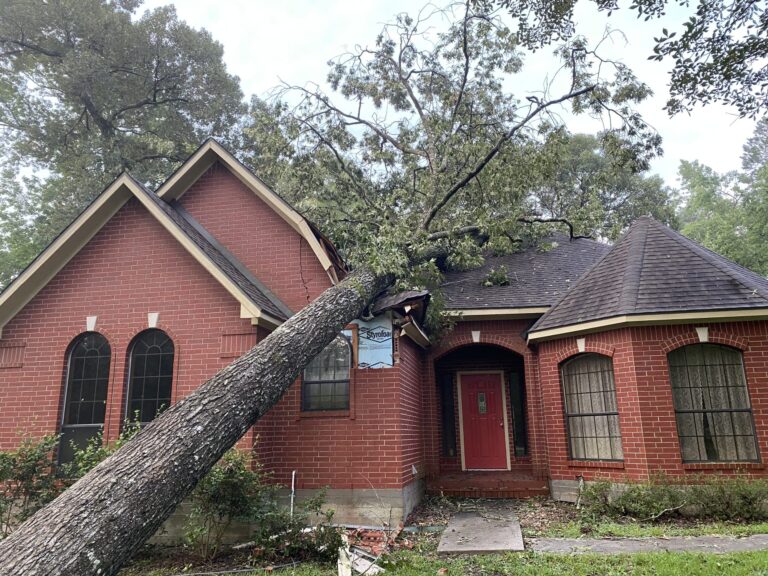
Additionally, if your home recently suffered storm-related water damage, our Emergency Restoration Services and Storm Damage Restoration Services can help prevent mold from developing in the first place.
Professional inspections, testing, and remediation services provide peace of mind while protecting your investment.
Frequently Asked Questions
What is the difference between mold inspection, mold testing, and mold remediation?
A mold inspection identifies visible mold and moisture issues; mold testing measures mold spore levels through laboratory analysis; and mold remediation removes mold contamination and addresses the source of growth. Each service serves a different purpose in the mold management process.
Do I need mold testing if mold is already visible?
Not always. If visible mold growth is present, mold remediation may begin without testing. However, mold testing can help identify mold types, assess contamination levels, and provide documentation for insurance claims or property transactions.
What happens during a professional mold inspection?
A professional mold inspection includes a visual assessment, moisture detection, thermal imaging, and evaluation of areas prone to mold growth. Inspectors look for water damage, hidden moisture, and conditions that may contribute to mold contamination.
When is mold remediation necessary?
Mold remediation is necessary when mold growth is confirmed and poses a risk to indoor air quality or property conditions. It is especially important after water damage, persistent moisture problems, or when mold spreads to walls, ceilings, flooring, or HVAC systems.
Can a mold inspection find hidden mold behind walls?
Yes. Professional mold inspections often use moisture meters, thermal imaging cameras, and other specialized tools to detect hidden moisture and potential mold growth behind walls, under flooring, and in other concealed areas.
Trust Beacon Restoration Services for Mold Solutions
Mold problems rarely resolve on their own. In fact, delaying action often leads to more extensive contamination, structural damage, and higher restoration costs. Whether you need a mold inspection, mold testing, or complete remediation, our experienced team is here to help.
At Beacon Restoration Services, we provide comprehensive mold solutions throughout Texas. From moisture detection and indoor air quality assessments to full-scale mold remediation, we help homeowners restore healthy living environments quickly and safely.
Contact Beacon Restoration Services today to schedule your mold inspection and discover the right solution for your property.