Jump to:
- Why Washing Machines Leak in the First Place
- Check Your Hoses Regularly
- Turn Off the Water When You’re Not Using It
- Don’t Overload Your Machine
- Keep an Eye on the Door Seal
- Make Sure Your Machine Is Level
- Clean the Drain Pump Filter
- Watch for Warning Signs
- Consider Installing a Leak Detector
- Know When to Call for Help
- FAQs
If there’s one appliance that earns its keep in Texas homes, it’s the washing machine. Between sweaty summer days, muddy spring storms, and everything in between, our laundry rooms work overtime. But here’s the thing: that hardworking machine might be plotting against you.
Washing machine leaks are one of the most common causes of water damage we see in Spring. And unlike dramatic pipe bursts or storm flooding, these leaks often start small and sneaky, giving them plenty of time to cause serious damage before you even notice. At Beacon Restoration Services, we’ve responded to countless washing machine disasters, and honestly? Most of them could’ve been prevented with a little attention and maintenance.
So let’s talk prevention. Because replacing a hose is a whole lot easier (and cheaper) than dealing with warped floors and mold growth.
Why Washing Machines Leak in the First Place
Before we jump into prevention, it helps to understand why these leaks happen. Washing machines are basically controlled floods happening in your home multiple times a week. They fill with water, agitate it around, drain it, and spin at ridiculous speeds. All that action puts stress on hoses, connections, and seals.
Add in Texas’s hard water, temperature swings, and the fact that most of us use our machines constantly, and you’ve got a recipe for eventual failure. The most common culprits include worn-out hoses, loose connections, overloading, and clogged drain pumps.
Top Causes of Washing Machine Leaks
Worn Hoses
40% of leaks
Loose Connections
25% of leaks
Overloading
20% of leaks
Clogged Drain
15% of leaks
Check Your Hoses Regularly
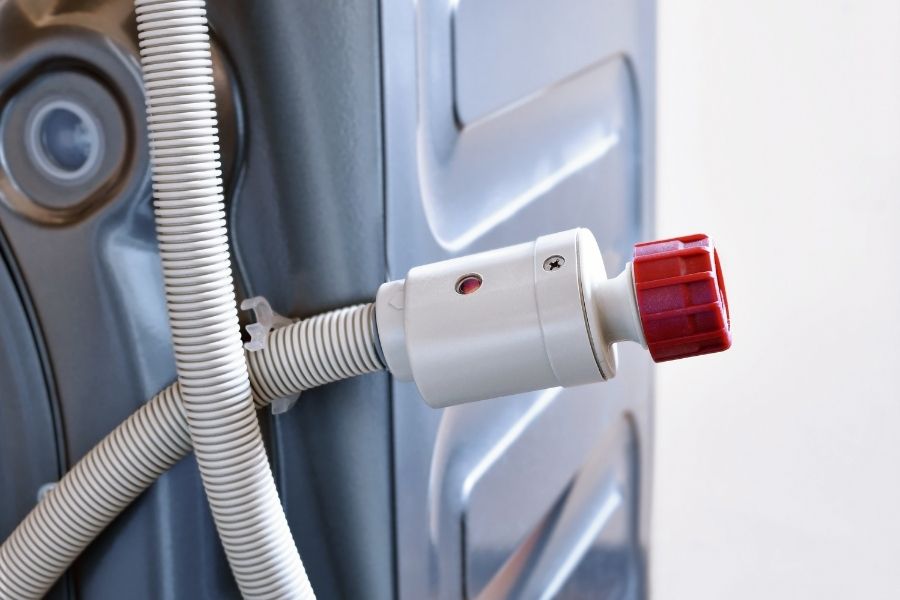
Those rubber hoses connecting your washing machine to the water supply? They’re doing important work, and they don’t last forever.
What to look for:
- Cracks, bulges, or brittleness in the rubber
- Rust or corrosion on the metal fittings
- Any signs of moisture around the connections
- Hoses that are more than 5 years old
Most experts recommend replacing washing machine hoses every three to five years, even if they look fine. Think of it like changing your car’s oil: preventive maintenance now beats a breakdown later.
Pro tip: Upgrade to braided stainless steel hoses. They cost a bit more upfront, but they’re significantly more durable than standard rubber ones. We’ve seen these save homeowners from major water damage more times than we can count.
Need Help With Existing Water Damage?
Don’t wait for the problem to get worse. Our IICRC-certified team responds within an hour.
Turn Off the Water When You’re Not Using It
This might sound extreme, but hear us out. If you’re leaving for a vacation, heading to work for the day, or even just going to bed, turning off the water supply to your washing machine adds a serious layer of protection.
Why? Because if a hose bursts while you’re away, water keeps flowing until someone notices and shuts it off. That could mean hours or even days of flooding. We’ve responded to situations where hidden water damage went undetected for days simply because no one was home when the leak started.
Most washing machines have shutoff valves right behind them. Just give them a quick turn clockwise before you leave. It takes five seconds and could save you thousands in water damage repairs.
Don’t Overload Your Machine
Look, we get it. Doing laundry is nobody’s idea of fun, and cramming in one more towel to avoid running another load is tempting. But overloading your washing machine doesn’t just mean cleaner clothes; it can actually cause leaks.
When you overload the drum, the machine has to work harder. This puts extra stress on the door seal (for front-loaders) and can cause the machine to vibrate excessively, loosening connections over time. Plus, too much weight can strain the suspension system and lead to problems with the drain pump.
A good rule of thumb: Leave about a hand’s width of space at the top of the drum. Your clothes will get cleaner, your machine will last longer, and you’ll reduce your risk of leaks.
Keep an Eye on the Door Seal (Front-Loaders)
If you have a front-loading washing machine, that rubber gasket around the door is critical. It’s what keeps water inside the drum where it belongs instead of pouring onto your floor.
Unfortunately, that seal is also a magnet for mold, mildew, soap scum, and debris. Over time, this buildup can cause the seal to crack or lose its flexibility, leading to leaks.
How to maintain it:
- Wipe down the seal after each use with a dry cloth
- Run a cleaning cycle monthly with vinegar or a washing machine cleaner
- Check for any tears, cracks, or foreign objects caught in the folds
- Leave the door open between loads to let it dry out
Speaking of mold, if you start noticing a musty smell or visible growth, don’t ignore it. Mold issues can spread quickly in humid environments, especially here in Texas. Our guide to mold in Texas homes can help you understand what you’re dealing with.
Make Sure Your Machine Is Level
This one’s easy to overlook, but it matters. If your washing machine isn’t level, it can vibrate excessively during the spin cycle. That vibration can loosen hose connections, cause wear on internal components, and even crack the drain pump.
Grab a level from your toolbox (or use a level app on your phone) and check both front-to-back and side-to-side. Most washing machines have adjustable feet that you can twist to get everything balanced. Once it’s level, those aggressive spin cycles will be much less likely to cause problems.
Clean the Drain Pump Filter
Your washing machine’s drain pump filter catches lint, coins, buttons, and all the other random stuff that ends up in the wash. When this filter gets clogged, water can back up and leak out of places it shouldn’t.
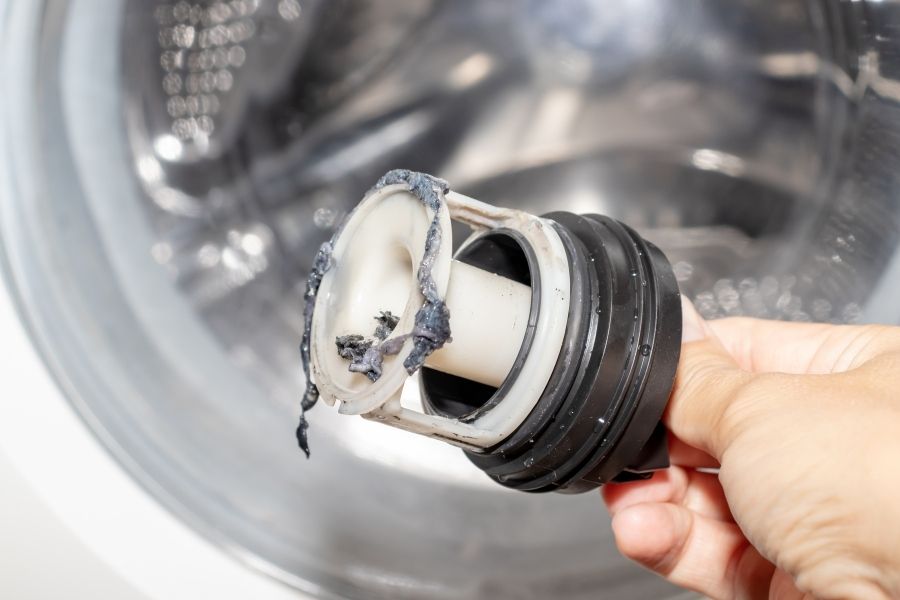
Most people have no idea this filter even exists, let alone that it needs regular cleaning. Check your owner’s manual to find where it’s located (usually behind a small panel at the front bottom of the machine) and clean it out every few months.
Warning: When you open it, some water will probably come out, so have a towel and a shallow pan ready. And yes, it might be gross. But it’s way less gross than dealing with water damage.
Watch for Warning Signs
Even with great prevention habits, things can still go wrong. The key is catching problems early before they turn into full-blown disasters.
Watch for these red flags:
- Puddles or moisture around the machine
- Unusual sounds during operation
- The machine not draining completely
- A musty smell
- Visible rust or corrosion
- The machine “walking” across the floor during spin cycles
If you notice any of these issues, don’t wait. Address them right away, or call in a professional if you’re not comfortable diagnosing the problem yourself.
According to the EPA’s guide on moisture and mold, even small amounts of standing water can lead to mold growth within 24 to 48 hours. In our humid Texas climate, that timeline can be even shorter.
Consider Installing a Leak Detector
For the tech-savvy homeowner, water leak detectors are game-changers. These small devices sit on the floor near your washing machine and sound an alarm (or send a notification to your phone) if they detect moisture.
Some smart home systems even let you connect these detectors to automatic shutoff valves, so if a leak is detected, the water supply cuts off immediately. It’s like having a security system for your plumbing.
Know When to Call for Help
Let’s say the worst happens, and you discover water spreading across your laundry room floor. What do you do?
First, turn off the water supply and unplug the machine. Then assess the damage. If it’s just a small puddle and you catch it quickly, you might be able to handle the cleanup yourself. But if water has spread to other rooms, seeped under flooring, or been sitting for a while, it’s time to call professionals.
At Beacon Restoration Services, we specialize in water damage restoration throughout Spring, TX and the surrounding Montgomery County area. We respond fast (usually within an hour), and our IICRC-certified team knows how to dry things out properly to prevent secondary damage like mold growth. Many homeowners wonder if they can stay home during restoration work, and we’re always upfront about what to expect.
We also work directly with insurance companies to make the claims process as smooth as possible. If you’re wondering what your insurance might cover after water damage, we can help walk you through that too.
The Bottom Line
Your washing machine is one of the hardest-working appliances in your home, but it needs a little attention to stay leak-free. Check your hoses, keep things clean, don’t overload it, and stay alert for warning signs. A few minutes of maintenance now can save you from a major headache (and a flooded laundry room) down the road.
And if you do end up with water where it shouldn’t be, don’t panic. Just shut off the water, assess the situation, and give us a call if you need help. That’s what we’re here for.
Frequently Asked Questions
How often should I replace my washing machine hoses?
Replace washing machine hoses every 3 to 5 years, regardless of their appearance. Rubber deteriorates over time even without visible damage. Upgrading to braided stainless steel hoses can extend this timeline and provide better protection against sudden bursts.
What should I do immediately if I discover a washing machine leak?
Turn off the water supply valves behind the machine, unplug the appliance, and move any items away from the water. If water has spread beyond the immediate area or soaked into flooring, contact a professional restoration company right away to prevent mold growth and structural damage.
Can a washing machine leak cause mold in my Spring, TX home?
Absolutely. In Texas’s humid climate, mold can begin growing within 24 to 48 hours of water exposure. Even small, slow leaks that go unnoticed can create perfect conditions for mold growth behind walls, under flooring, and in adjacent rooms.
Is it worth turning off the water supply to my washing machine when I’m not home?
Yes, especially if you’ll be away for extended periods. A burst hose can release hundreds of gallons of water per hour. Turning off the supply valves takes just seconds and can prevent catastrophic flooding if a failure occurs while you’re away.
Dealing With Water Damage in Montgomery County?
Our team responds within an hour, 24/7. Let us handle the cleanup so you can focus on getting back to normal.
Call us: (936) 286-1692