When severe weather hits, many homeowners ask one important question: Does homeowners insurance cover tornado damage? In many cases, the answer is yes, because tornado damage is often treated as windstorm damage. However, coverage depends on your policy, deductible, location, and the type of damage your home experienced.
At Beacon Restoration, we help Texas homeowners recover after tornadoes, windstorms, hail, heavy rain, and severe property damage. We understand how stressful the insurance claim process can feel after a storm. That is why we help homeowners document damage, prevent further loss, and begin professional storm damage restoration as quickly as possible.
Key Takeaways
- Homeowners insurance often covers tornado damage caused by wind.
- Texas homeowners may have a separate windstorm or hail deductible.
- Flood damage is usually not covered by standard homeowners insurance.
- Roof damage, broken windows, and structural damage may be covered.
- Fast documentation helps support a tornado damage insurance claim.
- Professional storm damage restoration can prevent mold and water damage.
Why Tornado Insurance Coverage Matters in Texas
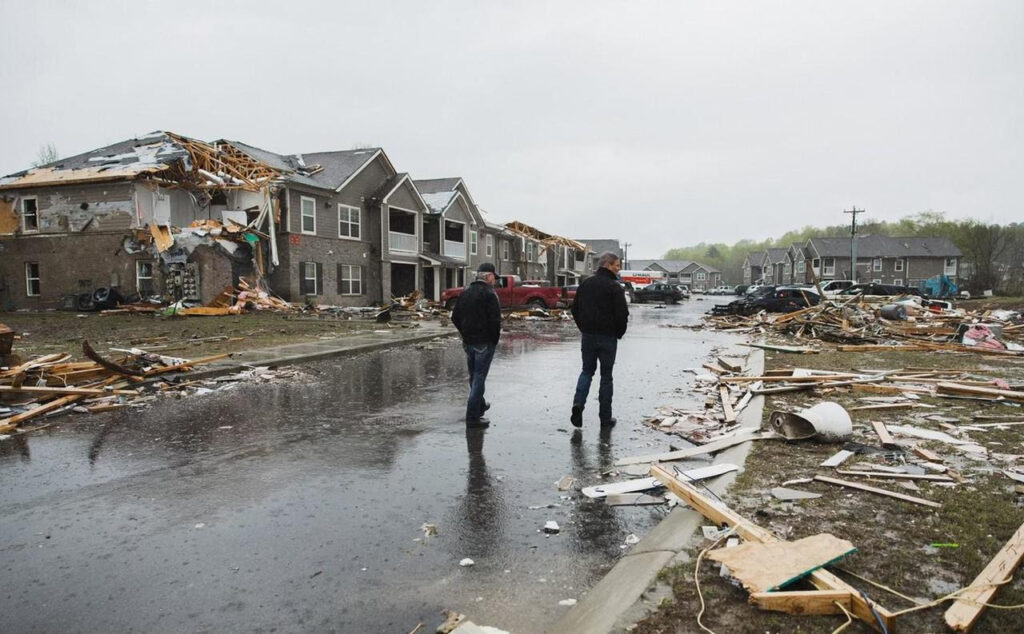
Texas homeowners face a high risk of severe weather. Tornadoes can damage roofs, siding, windows, fences, garages, and interior spaces in minutes. As a result, understanding tornado insurance coverage before damage happens is very important.
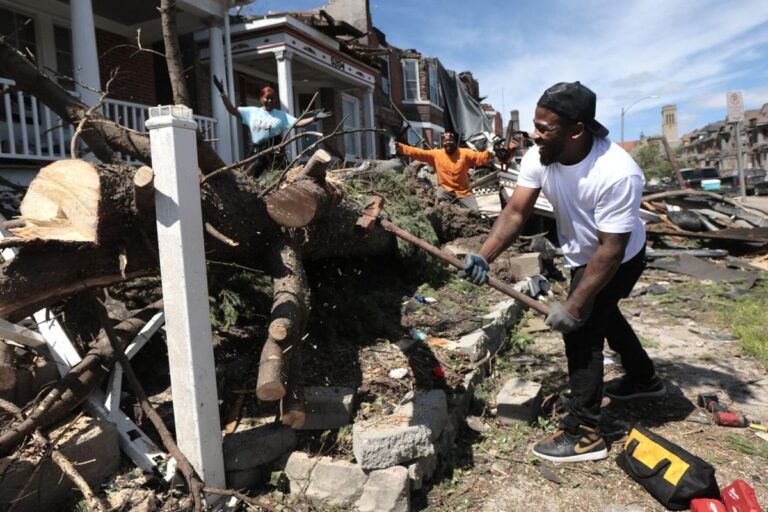
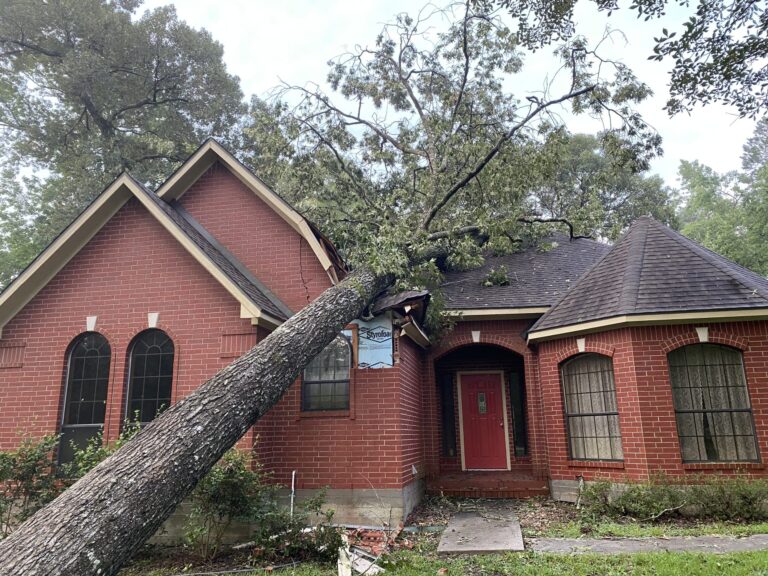
A tornado can cause several types of property damage at once. For example, strong winds may tear shingles from your roof. Then, heavy rain may enter your home and cause water damage. In some cases, fallen trees and flying debris may damage walls, windows, and personal belongings.
Because damage can happen in different ways, your insurance company may review each type of loss separately. Therefore, homeowners should understand their policy limits, exclusions, and deductibles before filing a claim.
Understand Homeowners Insurance Tornado Coverage
Most standard homeowners insurance policies include coverage for wind-related damage. Since tornadoes are wind events, many policies may cover tornado-related property damage. However, every policy is different.
Your dwelling coverage may help pay for repairs to the structure of your home. This can include the roof, walls, ceilings, windows, and attached structures. Personal property coverage may also help replace damaged belongings inside the home.
However, coverage is not unlimited. Your deductible, policy limits, and exclusions still apply. Therefore, it is important to review your policy or speak with your insurance provider after tornado damage occurs.
What Tornado Damage May Be Covered?
Tornado damage can affect many parts of a home. Fortunately, homeowners insurance may cover several common types of storm-related damage. However, coverage depends on the cause of loss and your specific policy.
Common covered tornado damage may include:
- Roof damage from high winds
- Broken windows and doors
- Damaged siding and gutters
- Structural damage
- Interior rain damage from storm-created openings
- Fallen tree damage to the home
- Detached garage or shed damage, if included
- Personal belongings damaged by covered storm events
- Debris removal after covered damage
Some policies may also include additional living expenses. This may help pay for temporary housing if your home is unsafe to live in after a tornado.
What Tornado Damage May Not Be Covered?
Although tornado wind damage is often covered, not every storm-related issue is included. Some types of damage may be excluded or require separate coverage. This is especially important for Texas homeowners.
Flood damage is one of the most common exclusions. If rising water enters your home after heavy rain, a standard homeowners policy usually does not cover it. Homeowners typically need a separate flood insurance policy for flood-related damage.
Other possible exclusions may include:
- Pre-existing roof damage
- Poor maintenance
- Long-term leaks
- Mold caused by delayed cleanup
- Damage below your deductible
- Landscaping or outdoor items, depending on the policy
Because exclusions can vary, always read your policy carefully. Also, contact your insurance provider as soon as possible after tornado damage.
Windstorm Deductibles in Texas
Texas homeowners should pay close attention to windstorm deductibles. Many insurance policies have a separate deductible for wind and hail damage. This deductible may be different from your standard homeowners insurance deductible.
In some cases, the windstorm deductible is a percentage of your dwelling coverage. For example, if your home is insured for a certain amount, your deductible may be based on that amount rather than a flat fee.
This matters because tornado damage may fall under windstorm coverage. Therefore, your out-of-pocket cost may be higher than expected. Before storm season, review your declarations page and look for terms like windstorm deductible, hail deductible, or named storm deductible.
Coastal Texas and Windstorm Insurance
Windstorm insurance can work differently in coastal areas of Texas. Some homeowners in high-risk coastal counties may need separate wind and hail coverage. This is especially true when standard insurance policies exclude windstorm damage.
The Texas Windstorm Insurance Association, also known as TWIA, provides windstorm and hail insurance for eligible coastal property owners who cannot get this coverage through the regular market. However, eligibility depends on location, property requirements, and prior insurance denial.
If you live outside coastal areas, your standard homeowners policy may include wind coverage. Still, you should confirm your coverage with your insurance agent. This helps avoid surprises after a tornado or severe storm.
How to File a Tornado Damage Insurance Claim
Filing a tornado damage insurance claim can feel overwhelming. However, taking the right steps early can make the process easier. The most important thing is to stay organized and document everything.
After the storm passes, follow these steps:
- Make sure your home is safe to enter.
- Take photos and videos of all visible damage.
- Document roof damage, broken windows, water intrusion, and damaged belongings.
- Make temporary repairs to prevent further damage.
- Save receipts for emergency expenses.
- Contact your insurance company.
- Schedule a professional storm damage inspection.
- Begin restoration as soon as possible.
Documentation is critical. Before removing debris or damaged materials, take clear photos from multiple angles. This may help support your claim.
Why Water Damage Matters After a Tornado
Tornado damage often leads to water damage. Strong winds can remove shingles, break windows, and create openings in the home. Then, rainwater can enter ceilings, walls, flooring, and insulation.
If moisture is not removed quickly, it can lead to serious problems. Water can weaken building materials, damage electrical systems, and create ideal conditions for mold growth. This is why fast water extraction and structural drying are important after a tornado.
Our water damage restoration services help homeowners remove standing water, detect hidden moisture, dry affected areas, and reduce the risk of secondary damage.
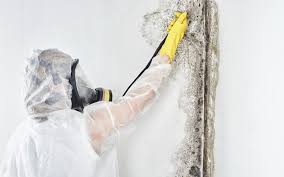
Mold Risks After Tornado Damage
Mold can begin growing within 24 to 48 hours when moisture is present. In humid Texas conditions, this can happen even faster. Therefore, homeowners should watch for signs of mold after tornado-related water intrusion.
Common warning signs include:
- Musty odors
- Damp drywall
- Water stains
- Discoloration on walls or ceilings
- Increased indoor humidity
- Allergy-like symptoms indoors
Mold coverage depends on your insurance policy and the cause of the damage. If mold develops because water damage was not addressed quickly, coverage may be limited. That is why immediate restoration is so important.
Our mold remediation services help identify mold problems, contain affected areas, remove contamination, and support healthier indoor air quality.
How Professional Restoration Helps With Insurance Claims
A professional restoration company can make the recovery process easier. While your insurance company determines coverage, restoration professionals can provide important damage documentation and repair estimates.
At Beacon Restoration Services, we help homeowners identify storm damage, water intrusion, moisture problems, and mold risks. We also help prevent further property damage through emergency restoration services.
Our storm damage restoration team can assist with:
- Emergency board-up
- Roof tarping support
- Water extraction
- Structural drying
- Moisture detection
- Mold prevention
- Debris cleanup
- Reconstruction support
- Damage documentation
Working with professionals can also help homeowners avoid missing hidden damage. This is especially important after tornadoes, because damage is not always visible right away.
When to Call Beacon Restoration Services
You should call a restoration company as soon as it is safe after tornado damage. Delays can make damage worse and may complicate the insurance process. Fast action helps protect your home from water damage, mold growth, and structural deterioration.
Call Beacon Restoration Services if you notice:
- Roof damage
- Broken windows
- Water leaks
- Standing water
- Ceiling stains
- Damaged drywall
- Musty odors
- Structural damage
- Storm debris around your home
Our team responds quickly to help Texas homeowners recover after severe storms. Whether you need storm damage restoration, water damage cleanup, mold remediation, or emergency restoration services, we are ready to help.
Final Thoughts
So, does homeowners insurance cover tornado damage? In many cases, yes. Homeowners insurance often covers tornado damage when it is caused by wind, hail, or storm-created openings. However, coverage depends on your policy, deductible, exclusions, and location.
Texas homeowners should review their policies before storm season. Pay close attention to windstorm deductibles, flood exclusions, and coverage limits. Then, after a tornado, document damage quickly and contact both your insurance company and a professional restoration team.
Frequently Asked Questions
Does homeowners insurance cover tornado damage?
Yes, homeowners insurance typically covers tornado damage caused by wind, including damage to roofs, siding, windows, and personal belongings. However, coverage depends on your policy limits, deductible, and any exclusions listed in your insurance contract.
Does homeowners insurance cover water damage after a tornado?
Homeowners insurance may cover water damage if rain enters through a tornado-damaged roof, window, or wall. However, flood damage from rising water is usually excluded and requires a separate flood insurance policy.
What is usually not covered after tornado damage?
Standard homeowners insurance generally does not cover flood damage, poor maintenance issues, pre-existing damage, or mold caused by delayed cleanup. Coverage varies by policy, so reviewing your insurance documents is important.
How do I file a tornado damage insurance claim?
After a tornado, document all damage with photos and videos, make temporary repairs to prevent further damage, contact your insurance company, and schedule a professional property inspection. Keeping detailed records can help support your claim.
Should I start tornado damage cleanup before the insurance adjuster arrives?
Yes, you should take reasonable steps to prevent additional damage, such as tarping a roof or removing standing water. However, document all damage thoroughly before beginning major cleanup or repairs to help support your insurance claim.
Need Help After Tornado Damage in Texas?
Tornado damage can worsen quickly without proper cleanup and restoration. Water intrusion, roof damage, hidden moisture, and mold growth can create costly problems if ignored. Beacon Restoration Services is here to help Texas homeowners recover safely and efficiently.
Contact Beacon Restoration today for professional storm damage restoration, water damage cleanup, mold prevention, and emergency restoration support after tornado damage.